

Insights
Resources > Insights
Top 3 Reasons Why Supply Chain Interconnectivity is Important
Supply chain interconnectivity, at its core, is a unified and cohesive ecosystem where all stakeholders work seamlessly together. It has become a strategic imperative in today’s business landscape as it allows seamless information exchange which makes it easier for people to work together in real-time.
The majority of technologies and systems employed in today's business landscape are designed to enhance connectivity and communication within a single organisation. These technologies have played a crucial role in improving efficiency and streamlining operations over the past decades. However, as the business landscape continues to evolve, there is increasing demand for increased visibility and heightened efficiency. Organisations that recognise this shift and invest in building interconnected supply chains position themselves for success in a rapidly evolving and fiercely competitive landscape.
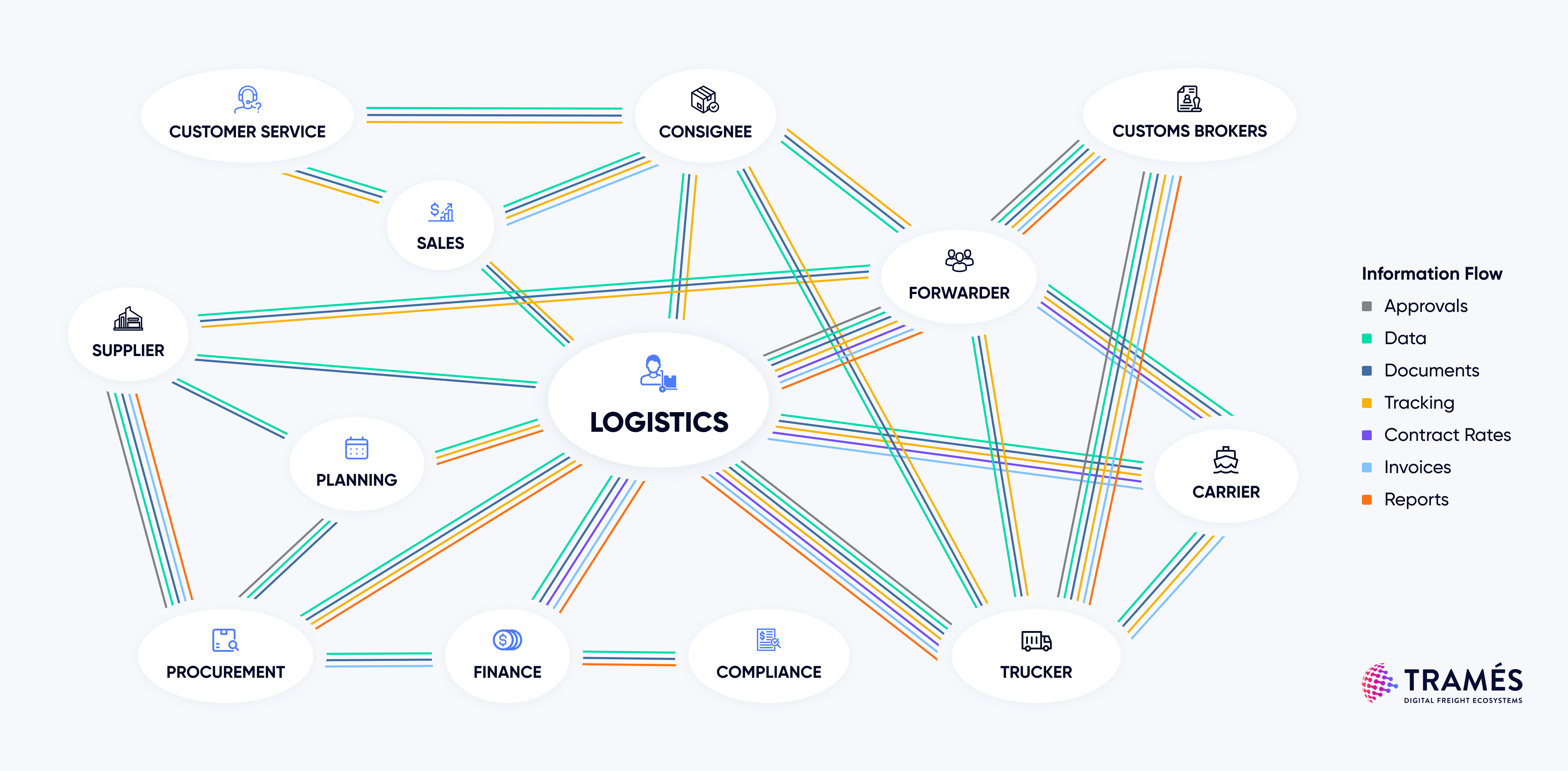
Modern technology platforms and tools have the capability to connect the intricate web of data, systems and stakeholders, including suppliers, shippers, manufactures, logistics providers, custom brokers, end customers, and more. In this piece, we explore the top 3 reasons why supply chain interconnectivity is essential and how it benefits everyone who is plugged into the digital ecosystem.
1. Visibility
- "End-to-end” visibility
- Real-time shipment updates & tracking
- Transparency
- Unprecedented analytics
Effective supply chain management relies heavily on visibility. When supply chain interconnectivity is effectively executed, visibility becomes an attainable reality and there will be no limitations on the concept of "end-to-end visibility”. It has the capacity to encompass a wide spectrum of processes. This can range from the initial order confirmation all the way through to the final delivery, or even from the initial request for an order to the successful resolution of a claims request. In essence, it can encompass the entirety of the supply chain, from its inception to its ultimate resolution breaking information silos. The scope is ultimately defined by an organisation’s goals.
Interconnectedness can be achieved through various means, including direct user input, batch uploads, and most effectively, integration via APIs and EDI. By achieving this level of interconnectedness, organisations can enhance their ability to monitor, analyse, and optimise each step of the supply chain process. Some technologies can complement incoming data to provide greater visibility. For instance, automatically generating carrier and satellite tracking based on the bill of lading number or applying rate cards using ingested contracts based on specific criterias.
The collective data gathered from the broader ecosystem holds significant value. When equipped with appropriate access controls, these data can be shared transparently, empowering each stakeholder to make data-driven decisions tailored to their specific needs. Consolidating this data can also yield unparalleled insights into your supply chain, encompassing everything from the operational and cost performance of each stakeholder to identifying the root causes of delays.
Learn how Cotton On Group drove actionable improvements by digitalising upstream root cause analysis
This increased level of visibility offers a competitive advantage by enabling companies to proactively make data-driven decisions, take corrective actions before issues arise, negotiate more effectively, and ultimately deliver enhanced services to their customers. Gone are the days of uncertainty and blind spots; instead, a holistic view and proactive management of operations emerges.
2. Efficiency
- Processes
- Cost
- Customer Service
- Implementation
An interconnected supply chain naturally leads to greater efficiency. In the past, the logistics team would send an email to request a freight booking upon checking the system and finding a new order confirmation. With today's enhanced interconnectivity, this process can be streamlined from three manual steps down to none, and the message would still reach the forwarder. Furthermore, the progress of this process is made accessible by everyone along the supply chain.
When there is seamless communication, manual interventions are reduced and unnecessary delays or redundancies are eliminated. Logistics workflow orchestration related tools play a pivotal role in process optimisation and governance, ensuring scalability and seamless integration with existing workflows too. The heightened efficiency translates into reduced lead times, lower labour and operational costs, and, ultimately, increased customer satisfaction. Organisations that adopt this approach can provide accurate and timely information regarding product availability, delivery timelines, and tracking. This demonstrates a customer-centric focus, enabling them to offer superior service and operate more efficiently than their competitors.
Although implementing interconnectivity may seem like a daunting long-term project, the true beauty of embracing new technologies lies in their capacity to simplify and scale this transformative process in the shortest time imaginable.
3. Scalability
The significance of supply chain interconnectivity lies in its scalability, especially within global organisations. In today's world, businesses operate as part of a vast network spanning diverse markets with unique challenges and opportunities. This reality necessitates supply chain interconnectivity, as it equips organisations with the agility and adaptability to efficiently scale operations while ensuring the seamless flow of resources and information across borders.
Numerous aspects of a supply chain can benefit from a global perspective, including enhancing production timelines, reducing delays, optimising transportation routes, and improving inventory management, among others. In addition to the cumulative efficiency gains, these improvements become substantial when applied on a global scale, making it a vital aspect of modern supply chain strategies.
As organisations embrace this approach and harness interconnectivity technologies, they position themselves in a favorable stance to navigate the intricacies of the ever-evolving business landscape which will shape their success in the years to come.
This article is brought to you by Tramés. Tramés builds digital freight ecosystems for shippers to have complete control and visibility over their operations. Our agnostic platform streamlines logistics processes by integrating fragmented data, legacy systems, and a diverse network of partners for a highly efficient supply chain. Book a demo to learn how Tramés enables Supply Chain Interconnectivity.